
Issue 63 - You and Your Career
Once there was a donkey roaming in the desert for hours, searching for food. After some time, he found grass near the river. The donkey looks at the grass, then at the water...


You and Your Career
So many students and engineers ask me for career advice. I won’t really call it advice, but just my own experience — take whatever’s useful and leave the rest.
1. Start Doing Something
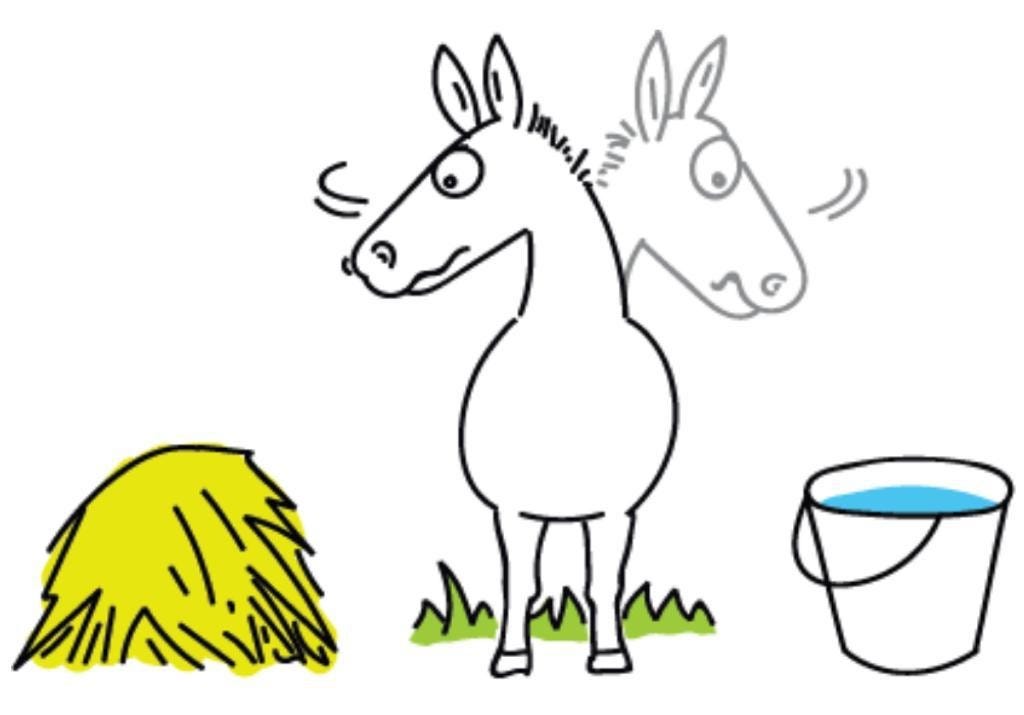
Once there was a donkey roaming in the desert for hours, searching for food. After some time, he found grass near the river. The donkey looks at the grass, then at the water, grass or water, grass or water, unable to decide which to consume first. Because it cannot make a decision, the donkey eventually collapses and dies of both hunger and thirst.
Today, students face a similar challenge. With so many things to do, they often spend more time deciding what to do than actually choosing any task and doing it.
Once you start doing it, and if it doesn’t work out, you can always try something else.
It’s far better to try 12 different things in 12 months rather just thinking. By the end of the year, you’ll know what you’re good at and what you’re bad at. And that’s incredibly valuable information.
Figuring out what you’re bad at is far easier than figuring out what you’re good at. When you start doing something, you keep eliminating all the things you’re bad at until you find what you’re good at.
2. Failure Is a Part of the Journey
If you’re trying something new, the chances of failure are high. Don’t let it stop you. It’s part of the journey. People who do extraordinary things are never afraid of failure and are ready to face any kind of embarrassment.
When I first published the photo editor library publicly, I thought people would praise me for my work, but instead, I started receiving many issue reports and complaints on the issue tracker, saying it wasn’t working as expected.
I thought I had made a mistake by making it public. But then my senior told me that if people are complaining, it means they’re using it, which means it has value, and that’s a good thing. Treat issues and complaints as feedback and use them to improve it.
3. Hard Work and Luck
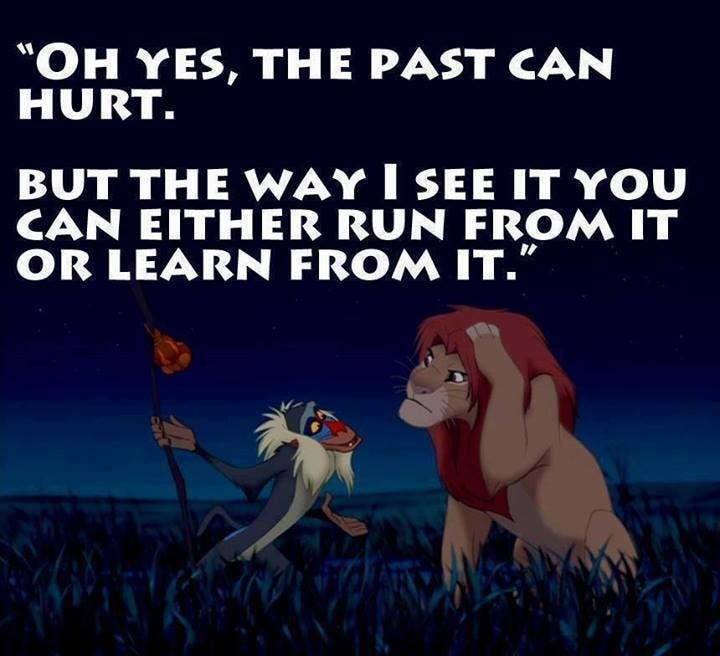
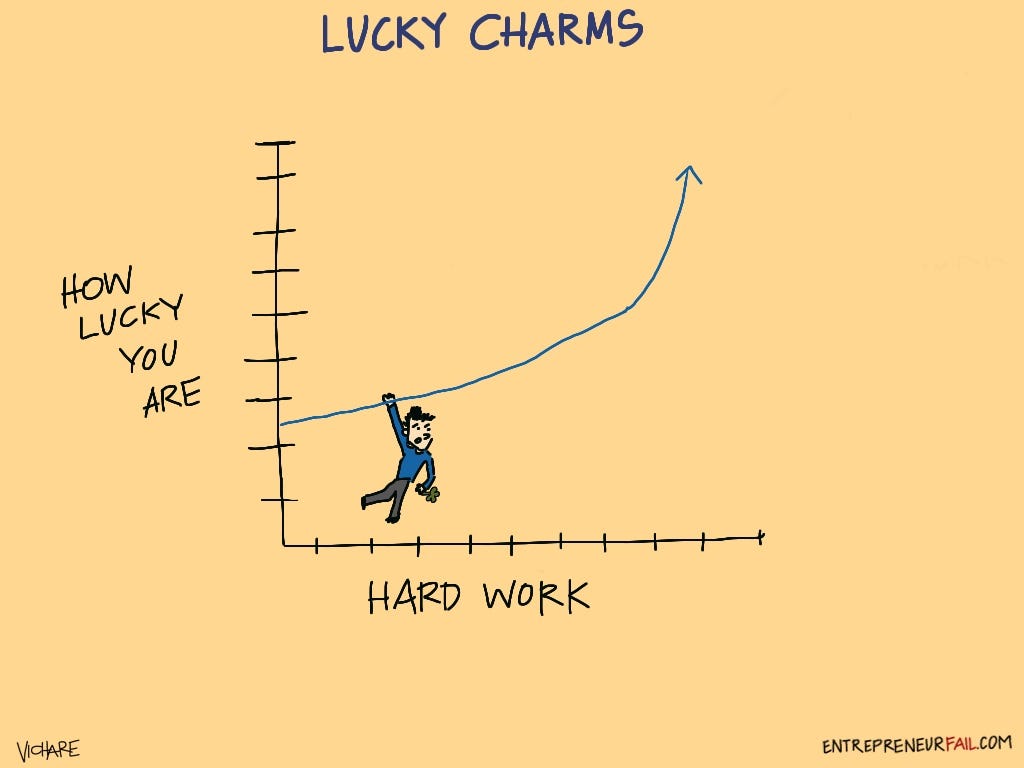
Whenever I advise someone to work as hard as they can, I can see the disappointment on their face. It seems like, to them, “hard work” does not work anymore. They usually attribute everything to “luck” and miss the “hard work” happening behind the scenes.
Luck favours the prepared mind. Luck is hard work applied over many years, and it is rarely just handed to you without any serious effort on your part.
~ Richard Hamming
4. Communicate to Avoid Isolation
I had a friend in college who told me she had a really “great business idea,” but she couldn’t tell anyone because it was soo good that people would steal it.
Ten years later, she told me about the idea, which she hadn’t executed, but someone else from outside our network did. That great idea died early in our network because it was never communicated to anyone else.
I’ve made the same mistake. I thought my code was great until people started reviewing it at my company. That’s where I learned how things can be improved if you communicate your ideas to people.
Believing you can work in isolation behind closed doors and come out with a great product is a really bad idea.
Also, if you share your ideas, you attract like-minded people. So learn to communicate your ideas. And if you want make it 10x better than start writing.

5. Learn Multidisciplinary Skills
If we go back 20 years, we used to specialize in one skill and keep doing the same thing for years.
Now, the landscape has changed dramatically. There are tons of tools that you can easily use to get your work done, tasks that would have earlier required specialization.
For example, using Adobe Photoshop was a specialized skill. But now, we have Canva, Figma, and other tools that allow us to create most designs very easily and quickly.
Hence, one skill for the long term is not enough; you need to master multiple skills. If you are just a programmer, developing design, finance, and business skills can help you advance significantly in your career.
You can raise your market value by being merely good – not extraordinary – at more than one skill
~ How to Fail at Almost Everything and Still Win Big
So, what’s one thing you’ve been overthinking instead of just starting? Let me know in the comments!
💁 Tips and Trick
1. How do I add images to a readme.md file on GitHub?
2. Fight Brain-Rot With Worked Examples
💼 Jobs to Apply:
1. Experienced Flutter Developer - Consumer App (Barcelona)
We are looking for a Flutter Developer who will be working with other Product Team members to contribute with your skills and ideas to our newly written Consumer Flutter App, available in 11 countries.
Salary : NA
✍🏻 Articles to read:
1. Reveal Intent in Complex Conditions by Adam Tornhill
Extract complex conditions into a well-defined business rule function name so that LLM can pick up this rule and make it more LLM-friendly. All the best practices make AI more accurate.
2. Better Than Free- How to Differentiate in the Age of AI by Tim Ferriss
Trust is most essential. We need to work on building relationships by consistently showing up in the work environment and adding value. Most people are now transactional, and trust is very low among each other. This is the ultimate skill.
3. The Unbearable Anxiety of Being Just an Ordinary Human by Srinath Sridharan
People increasingly describe themselves with a curious apology. They speak of being “just an employee”, “just middle class”, “just a teacher” and “just a homemaker”. The word “just” carries an unintended confession. It reveals a culture that has come to associate worth with visibility, scale and distinction.
4. The Art of Keeping in Touch by Carina
There was a post going around a while back: a woman saying that, as an adult, she would never ask her friends to help her move or pick her up at the airport. She wouldn’t inconvenience them like that when she could save everyone the trouble by paying for help.
I think that when a majority of life is the ordinary and inconvenient, we would gain a lot more by meeting each other there.
📺 Videos to Watch:
1. Dart Exceptions- Best Practices - Randal Schwartz | Fluttercon USA 2025
Use
Assert.notNull()in constructors torethrowerrors.Ensure you
rethrowerrors with stack traces to aid in debugging from the client side.Utilize
Error.throwWithStackTrace()torethrowerrors with stack traces.Associate errors closely with state using wrapped objects like
Result<T>orEither<T>.Implement
whenComplete()immediately after creating a future to capture all errors in the pipeline.
📦 Code from Packages
1. ben-milanko/dart-pdf
Pure-Dart PDF renderer, viewer & editor for Flutter. View, annotate, OCR, fill forms, sign, redact & compare PDFs on iOS, Android, macOS, Windows, Linux & web. No native bindings.
2. hinata-platform/lexical-editor
A native Dart/Flutter reimplementation of Lexical, Meta's extensible text-editor framework. Documents authored on Lexical web open losslessly in Flutter and go back unchanged.
3. Ciach
Dead code detector for Dart and Flutter. Finds declarations that are never referenced — classes, functions, methods, fields, constants, enum values — and can remove them for you.
🔖Post I Found Useful
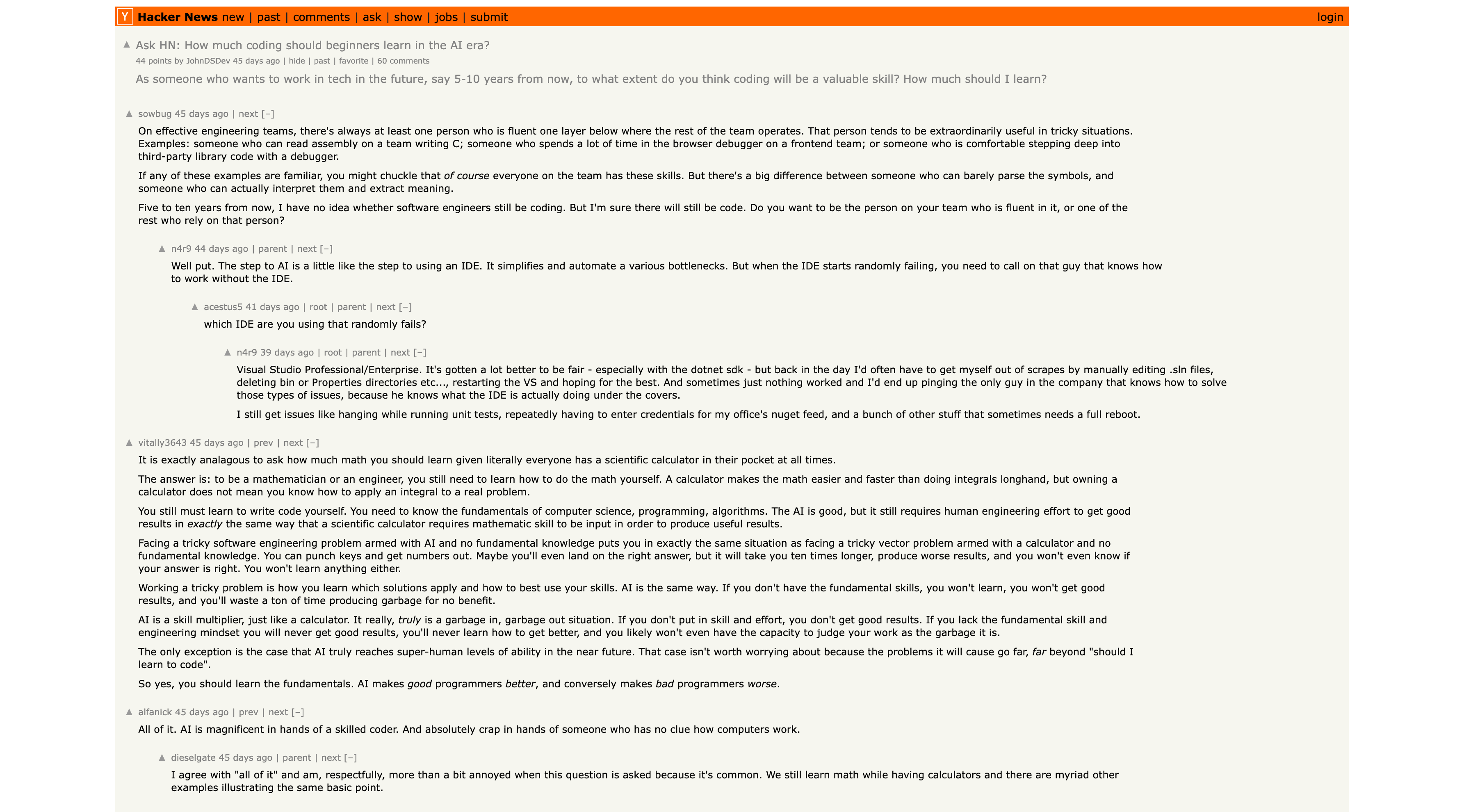
1. Ask HN- How Much Coding Should Beginners Learn in the AI Era?
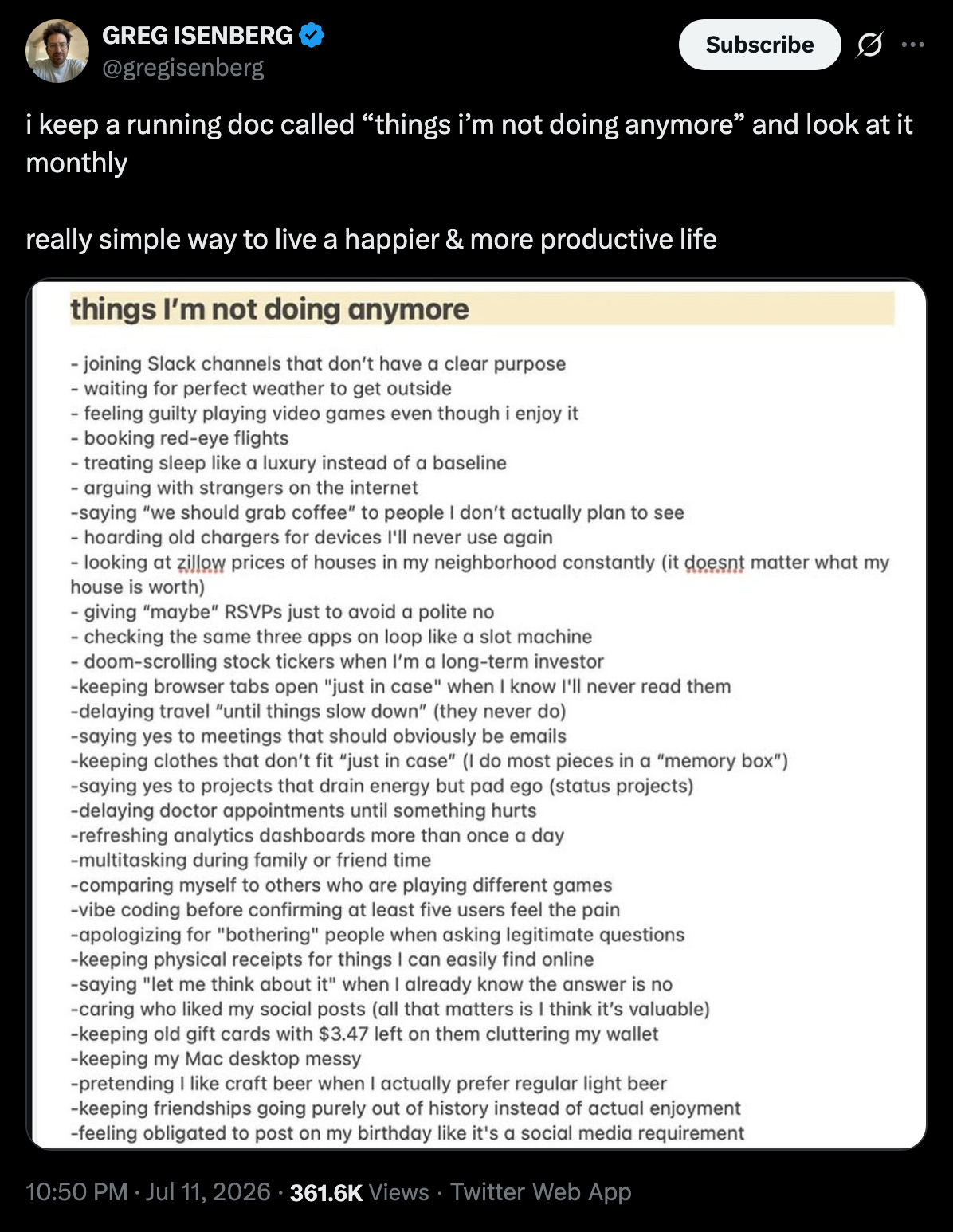
2. Things I'm not doing anymore
🛠️ Tool I Found Useful
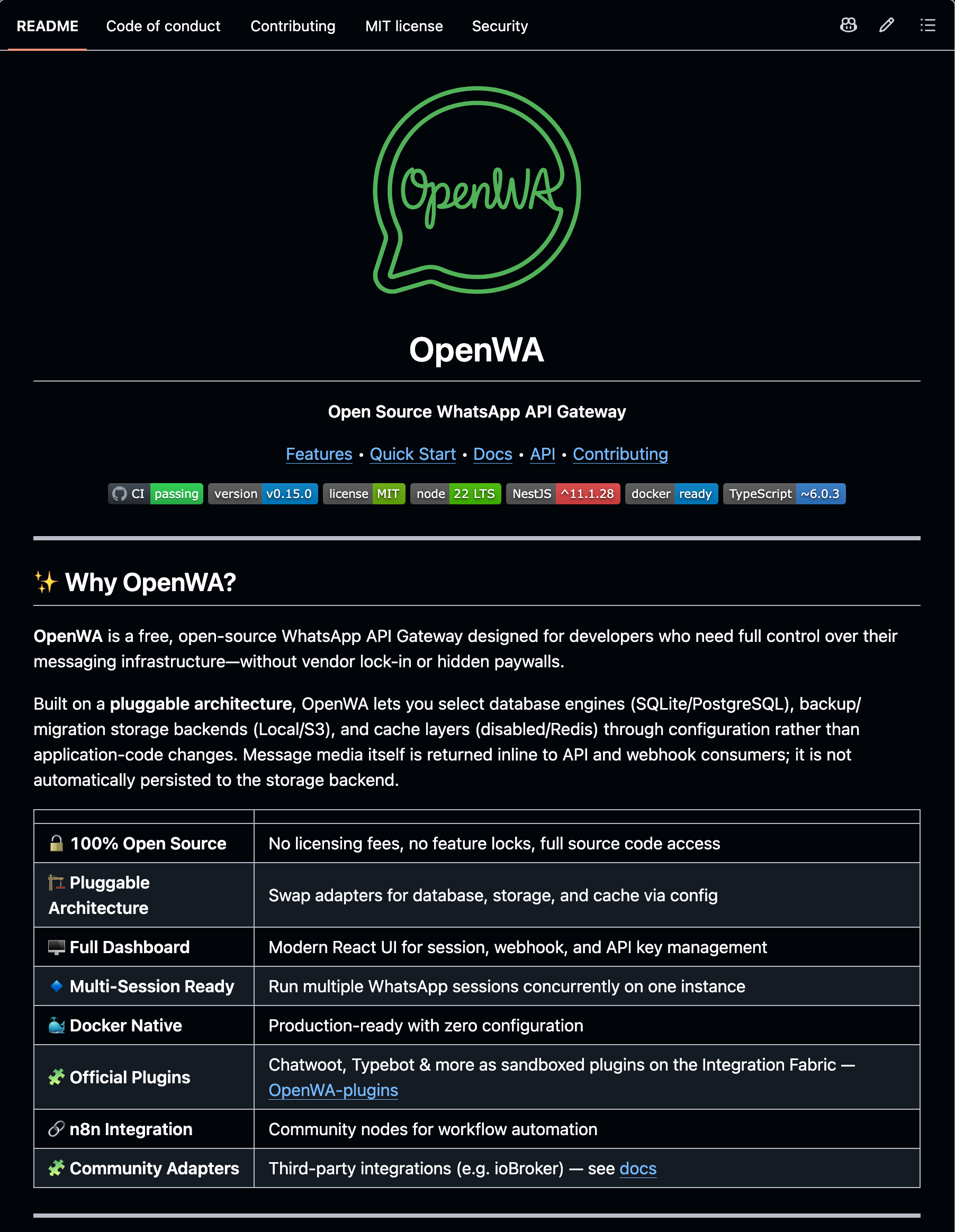
1. rmyndharis/OpenWA
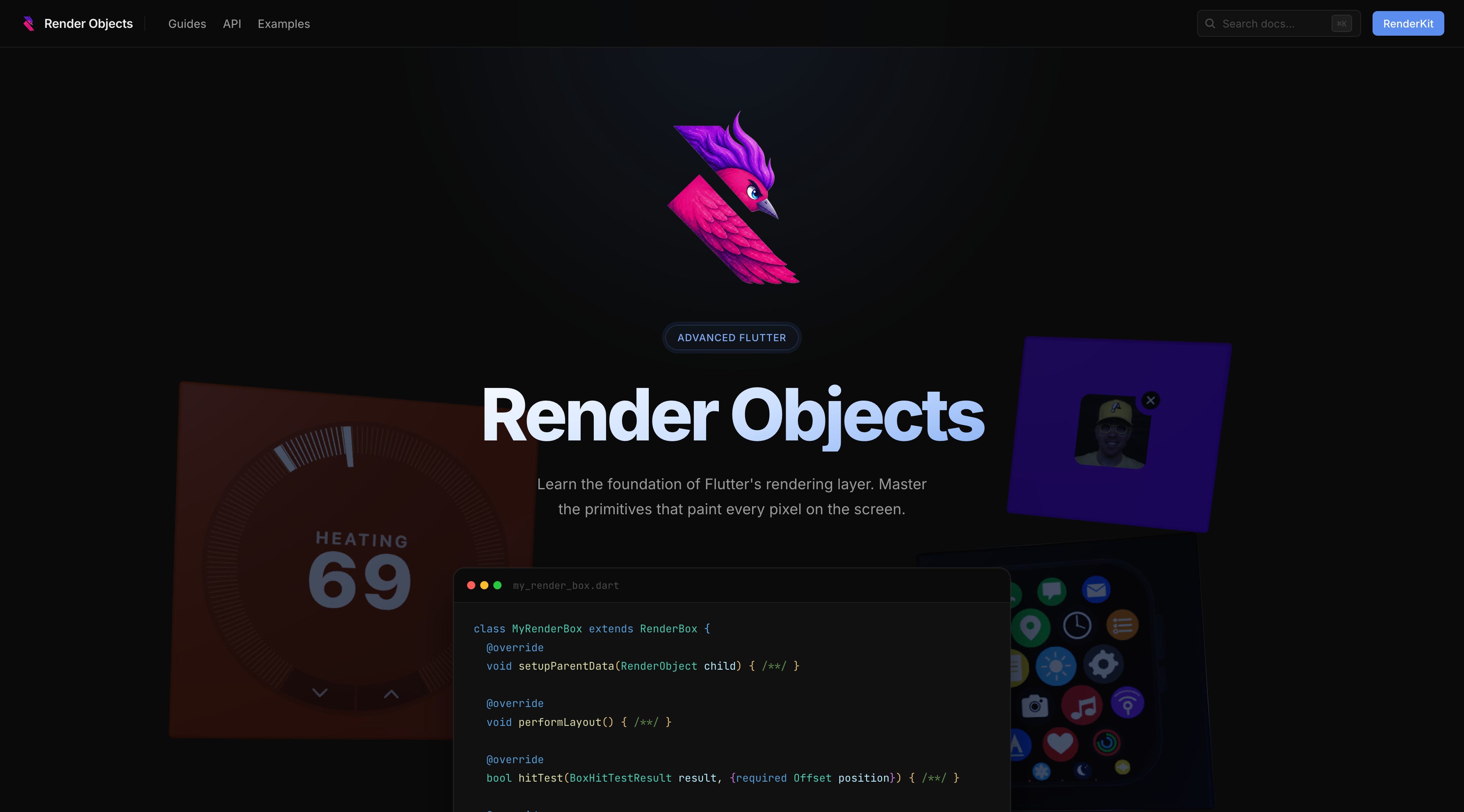
2. Render Objects — The foundation of Flutter’s visual layer
😂Fun and Memes
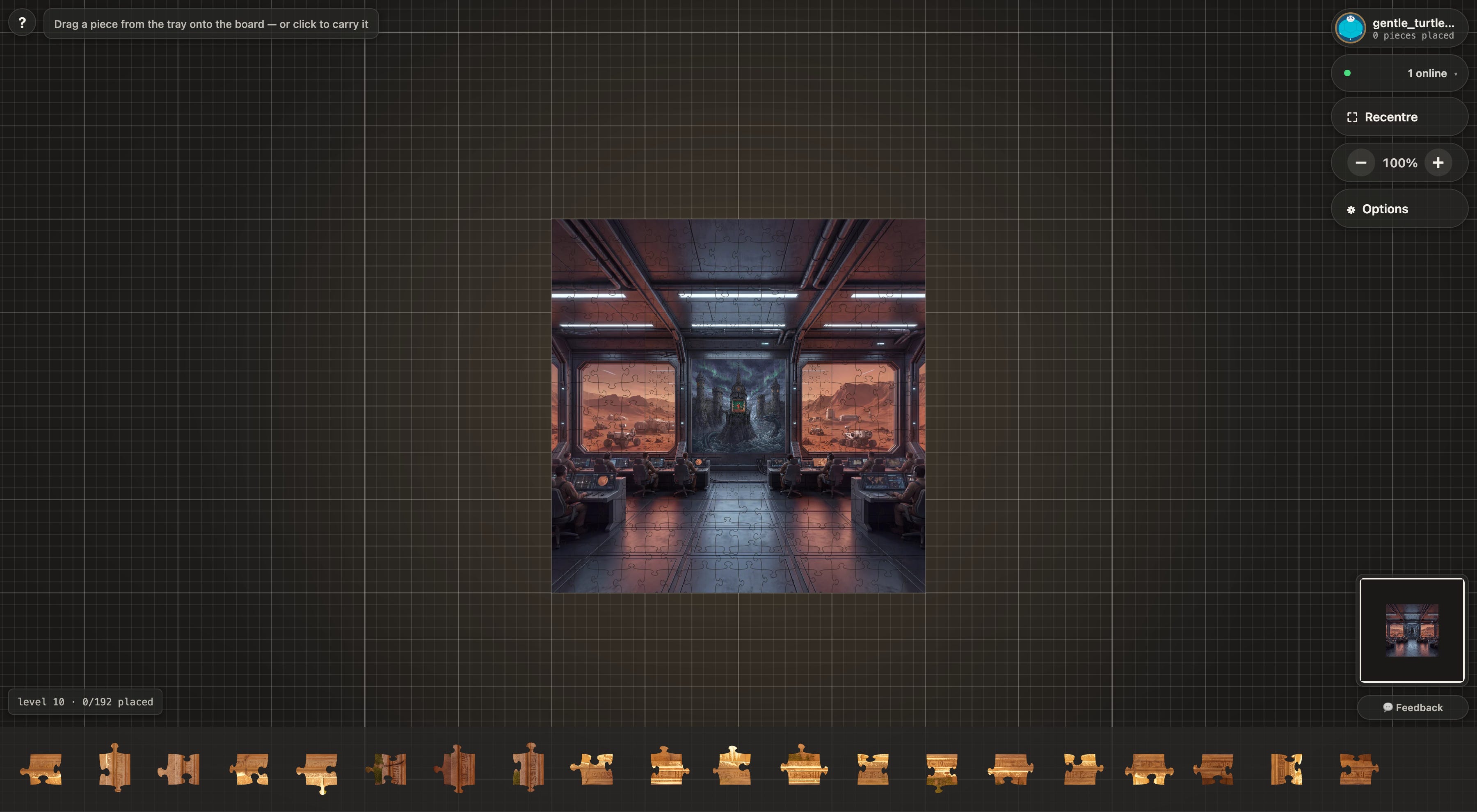
3. Infinite Jigsaw
👋🏻 That’s it, Folks
I am currently open for consultation part-time/full-time, specialized in mobile development with Android and Flutter. So if you are looking for someone to:
Build product architecture from scratch
Train existing developers to level up
Fix major bottlenecks in legacy codebase
Improve code quality
And most importantly, ship things faster
then reach out to me at info@burhanrashid52.com.